October, 2026
Subsidence: The Growing Challenge
How a Changing Climate is Reshaping Claims
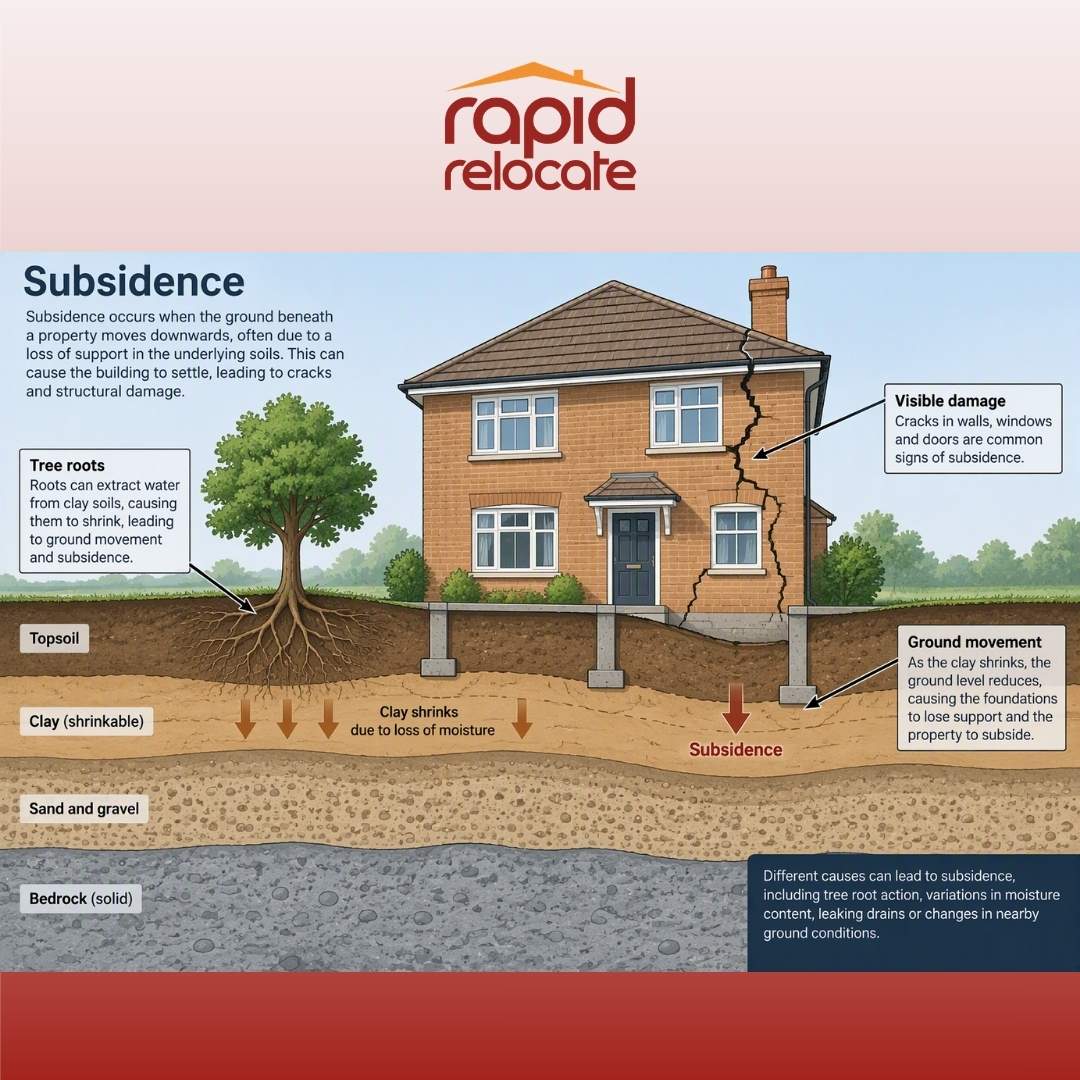
Subsidence is no longer a rare, slow-burn problem. Hotter summers and longer dry spells are drying out the ground beneath UK homes, and insurers are seeing more subsidence insurance claims as a result.
Following the record-breaking heatwaves experienced across the UK in recent years, insurers have reported significant spikes in subsidence claims. The issue has become one of the clearest examples of how climate change is influencing the property insurance market, creating longer, more complex claims and increasing pressure on claims teams, loss adjusters and supply chains. For many insurers and loss adjusters, subsidence is no longer an occasional spike in claims activity. Following consecutive years of unusually dry conditions, the industry is experiencing what many are describing as another significant subsidence surge, with claims volumes, repair costs and claim durations all coming under increasing pressure. Some major insurers have reported substantial year-on-year increases in subsidence notifications, highlighting the growing connection between climate change and insurance claims.
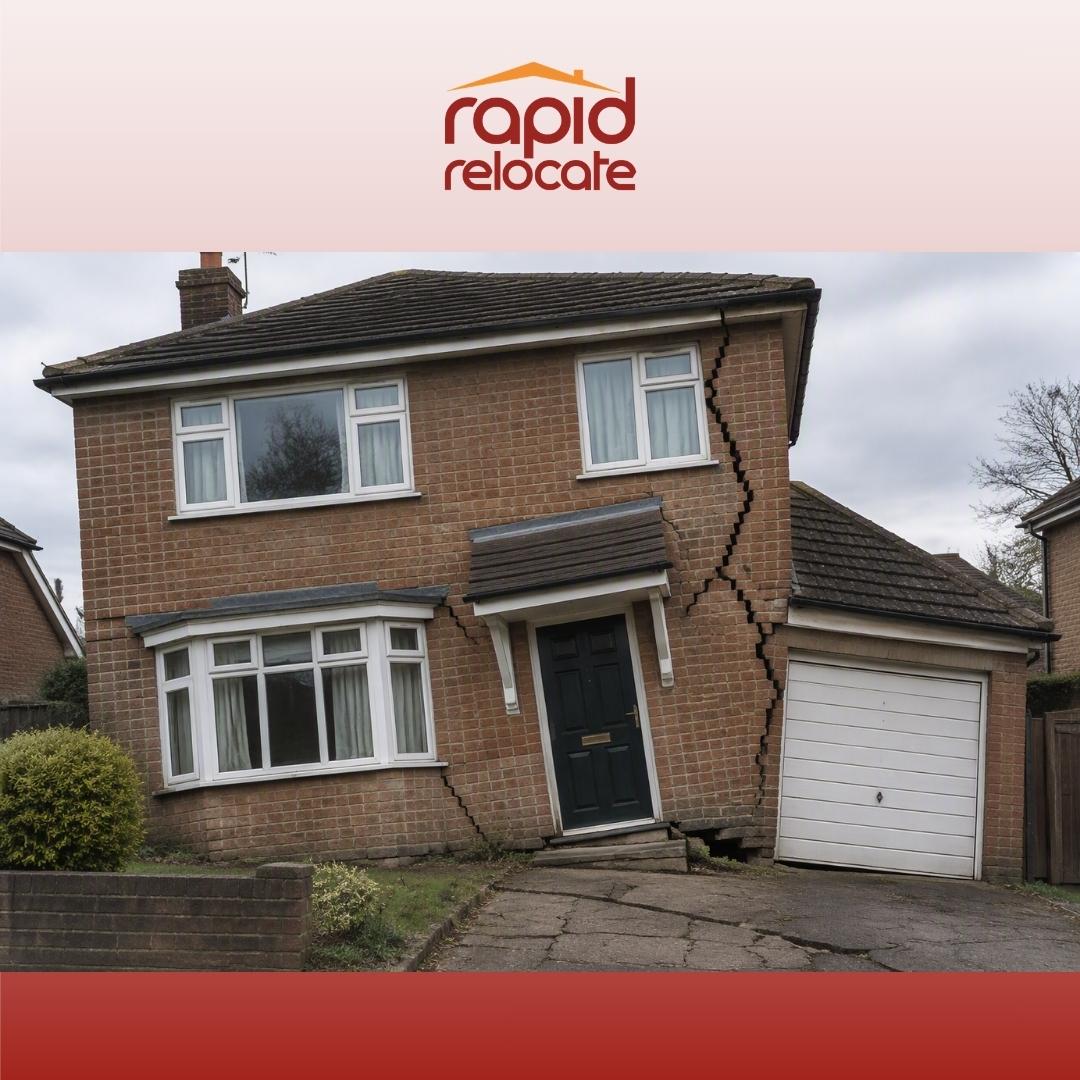
For the homeowner, subsidence can mean cracked walls, sticking doors and, in some cases, months out of their home while the ground is monitored and repairs are carried out. For insurers and loss adjusters, it means managing some of the longest and least predictable claims on their books.
At Rapid Relocate, we provide alternative accommodation for policyholders who can’t stay in their homes. In this article we look at why these claims need a different approach to AA, and what that means for customers who face a long time away from home.
The Growing Challenge
Subsidence claims are among the most expensive property claims to manage. Unlike escape of water or storm damage, the cause is often difficult to confirm and the timeline can stretch over months or even years.
Insurers face a number of challenges:
- Increased claim volumes following prolonged dry weather
- Higher engineering and investigation costs
- Extended claim lifecycles
- Greater pressure on customer communication
- Increased demand for suitable alternative accommodation
- Rising repair costs due to contractor shortages and specialist works
How Subsidence Claims Differ
Storm damage, weather related escape of water or a flood is most often a sudden event with a clear start. Subsidence develops gradually, and the length of the claim is often unknown at the outset.
|
Sudden Event |
Subsidence |
|
| Onset | Sudden, often with no warning | Gradual; damage may build over months before it’s noticed |
| Claim length | Usually predictable once drying starts | Hard to predict; depends on monitoring, tree works and repair method |
| Before repairs | Strip-out and drying | Monitoring of ground movement, sometimes for 6–12 months or more |
| Cause | Usually obvious | Must be investigated: site surveys, soil tests, root analysis |
| Scale | Many homes in one area at once | Often individual homes, but a hot summer creates spikes across a region |
| When AA is needed | Immediately, often on the day of the event | Often later, once repairs are scheduled or the home becomes unsafe |
| Customer mindset | Shock and urgent need to relocate | Uncertainty and frustration over a long, drawn-out process |
The Hidden Impact on Homeowners
Subsidence often begins with uncertainty. Customers may spend months waiting for investigations, monitoring and engineering reports before repairs can even be discussed.
During this period many homeowners experience:
- Anxiety over the safety and value of their property
- Frustration with lengthy timelines
- Disruption to work and family life
- Concerns around selling or remortgaging their home
When a property eventually becomes uninhabitable during repairs, having the right accommodation and clear communication can make a significant difference to the overall claims experience.
Why Subsidence Needs a Different Approach to Alternative Accommodation
With subsidence, AA is rarely an emergency booking. Most subsidence claims involve planned works, so there is usually notice before a customer needs to move out. That turns AA into a planned move rather than a same-day scramble, though it still has to flex around an uncertain timeline.
That changes what good AA looks like:
Planning ahead: Where a works start date has not yet been confirmed, an early indication of likely accommodation costs and associated lead times, support efficient case management and help ensure a smooth relocation journey
Prior notice of AA start date: Gives time to find the right property rather than the first available one, and to have it ready for when the customer needs it.
Budget approval: Proceeding within delegated authority, or where accommodation budgets have been pre-authorised,often helps secure suitable properties more quickly.
Working with specialists: Engineers, contractors and loss adjusters set the timetable for monitoring and repairs. Working closely with them and good collaboration means accommodation starts when works begin, not too early or too late.
Flexible stay lengths: Repair schedules can change after monitoring or once works begin. Accommodation needs to allow for extensions without forcing the family to move again.
Longer-term suitability: A stay of several months calls for a proper home: space for the family and pets, laundry, parking and room to work from home.
Staying local: Keeping customers near schools, work and support networks matters more the longer they are away.
Cost control over time: Small differences in weekly rates add up on a long claim, so the right property from day one protects the claim budget.
Regular communication: Uncertainty is the hardest part for customers. Keeping everyone updated on timings reduces frustration, stress and complaints.
How Rapid Relocate is Approaching Subsidence Claims
Subsidence claims don’t follow the same pattern as other claims. Because the works are planned, we often get prior notice. That lets us work more collaboratively with the specialists involved, so the right accommodation is in place at the right time.
We are also monitoring and reviewing how we handle subsidence cases compared with other claim types. As part of this, we’re introducing subsidence specific communications, and training support for claims handlers; so they understand how these claims differ and can handle them with confidence. The aim is to make sure our support reflects the longer and less predictable timelines these claims involve, for both customers and insurers.
What Does the Future Look Like?
Industry experts expect subsidence risk to increase as extreme weather events become more common. Areas that have historically experienced limited subsidence activity may begin to see more claims as prolonged periods of dry weather become increasingly frequent.
For insurers, loss adjusters and suppliers, this means preparing for longer claim durations, greater customer expectations and increased demand for specialist services. It also reinforces the importance of strong partnerships across the claims supply chain, particularly when managing customer experience during extended repair programmes.
Supporting Customers Every Step of the Way
A subsidence claim can be a long and unsettling process. Our job is to make sure the customer’s temporary home is one less thing to worry about.
That means accommodation that fits their family and routine, and clear communication whenever timings change. It also means working closely with insurers and loss adjusters, so that everyone involved is working towards the same goal.
As hotter, drier summers become more common, subsidence claims will keep rising. Rapid Relocate is ready to help insurers and their customers through them.